
Acclimation to Water and Fun: A Playful Approach by Señor Swim

Water acclimation is an essential first step in swimming education, especially for young children. It forms the foundation upon which all future swimming skills are built. Señor Swim introduces a playful and child-friendly method to familiarize children with water, aiming not only for safety but also for enjoyment in the water. This article highlights the importance of water acclimation and how Señor Swim approaches this process.
The Importance of Early Water Acclimation
Early water acclimation plays a crucial role in a child's development. It helps not only in building comfort and confidence in water but also in promoting physical development and coordination. Señor Swim views water acclimation as more than just a preparatory step; it is an opportunity to develop a lifelong love for swimming and water activities.
A Playful Approach
At Señor Swim, fun is at the heart of the learning process. By using games, songs, and interactive exercises, children are naturally and joyfully familiarized with the water. This playful approach ensures that children develop positive associations with swimming, which lays the foundation for their future swimming careers.
Parent and Child Together in the Water
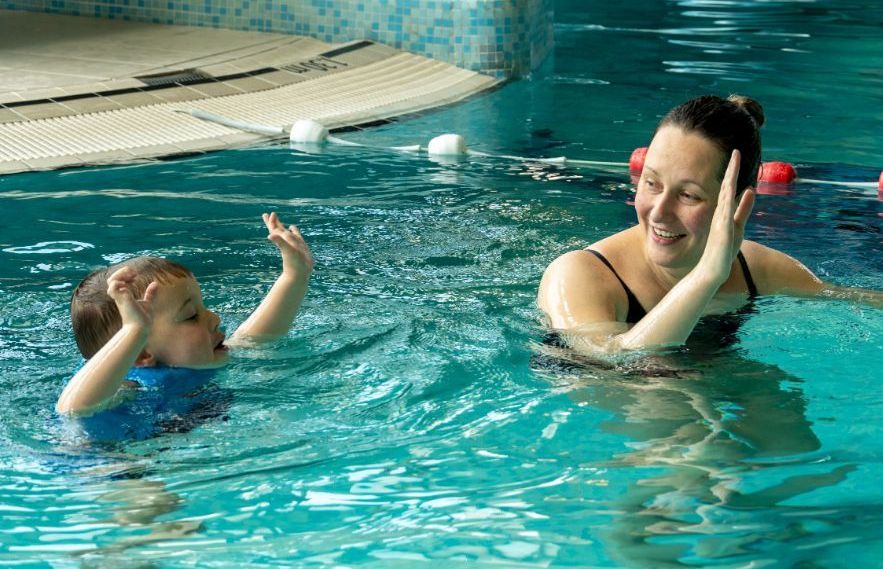
A unique aspect of the Señor Swim method is the active participation of parents during the water acclimation phase. Being together in the water not only provides an extra layer of safety and comfort for the child but also strengthens the parent-child bond. These joint experiences are unforgettable and contribute to the child's confidence in and around water.
Innovative Tools for Support
To maximize water acclimation and enjoyment, Señor Swim offers access to a range of innovative tools. From floating toys to waterproof books, each tool is carefully selected to stimulate interaction with water and support sensory development.
Conclusion
Water acclimation is a fundamental step in swimming education, and Señor Swim approaches this phase with a focus on fun, safety, and parental involvement. By creating a positive and playful learning environment, Señor Swim lays the groundwork for a lifelong love of water and swimming. With the right guidance and resources, parents can play an active role in this important phase of their child's development and enjoy every moment in the water together.
Also interesting

How Water Helps Children Grow Strong, Safe, and Confident
Every parent wants to know that their child feels secure and confident in every situation, especially when water is involved. It may seem that water safety simply means teaching children rules or basic swimming skills, but in reality, it is the foundation for emotional growth and trust. When children learn to relax, play, and feel at home in water, they discover an inner strength that shines far beyond the pool. Here, we share how nurturing water safety can help your child blossom, both in and out of the water.
- Children become safer when they first feel safe, not the other way around
- Real confidence in deep water grows through guided discovery and gentle independence
- Emotional security in swimming leads to resilience in daily life
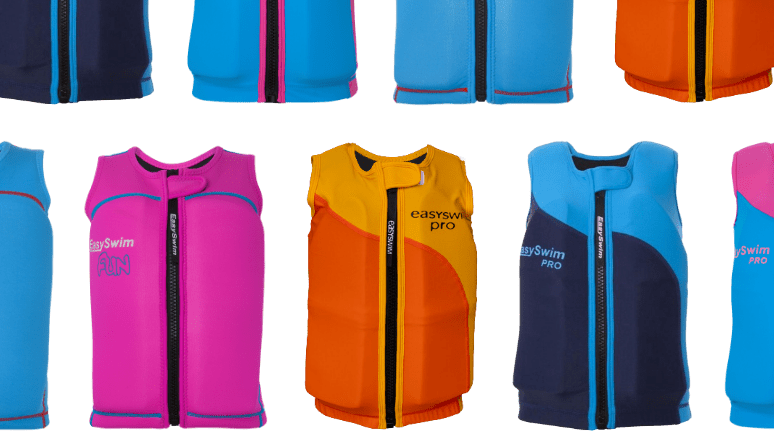
- Our floating suits allow for free, natural movement and build self-belief
- Supported parents see their children thrive and find joy in every lesson
What does it mean to be truly safe in water?
True safety comes from a sense of belonging and calm. We teach in deep water from the start, using a floating suit that keeps children secure and free to move naturally. When children enter the water, we never push them to perform or rush their progress. Instead, we guide them to listen to their own feelings, to notice how their bodies move and float, and to discover that the water supports them. It is not only about knowing what to do, but also about believing I am safe here and I can handle this.
How does swimming help children grow emotionally?
Learning to swim is often one of the first big challenges a child faces. In our environment, children learn how to accept uncertainty, trust themselves, and gradually do things they never thought possible. The sense of achievement when a child floats on their own, takes that first breath, or swims across the pool, goes straight to their heart. These moments build emotional resilience. Suddenly, frustrations or fears in daily life seem a little smaller because they remember the courage they found in the water.
Why do play and guided exploration make a difference?
Children learn best when they are having fun and are free to explore. We fill our lessons with imagination, games, and small challenges that spark curiosity. The floating suit is a vital part of this process—it allows children to move as they wish, try things for themselves, and enjoy each discovery without fear of sinking. If a skill feels tricky, we slow down and celebrate tiny victories. Each child finds what works for them, in their own unique way and time.
How does this approach shape character?
When children learn to trust the water, they also learn to trust themselves. They become more adaptable, open to new experiences, and resilient when things are uncertain. Parents tell us their children bring this confidence to school, playdates, and new situations. Little by little, mastery grows from the inside out—first in water, then in every part of life.
Our passion is helping children find freedom, security, and happiness in the water. By starting in deep water with our confidence-first approach and supportive floating suits, we make sure every child can build trust at their own pace, with plenty of laughter and encouragement along the way. We invite you to help your child take the first step toward a lifelong confidence that reaches far beyond swimming lessons.

How Parental Trust Transforms the Way Children Learn to Swim
Trusting someone else to guide your child in the water is a leap of faith. Every parent wants their child to be safe, confident, and happy, but it can be hard to let go and trust the process. At Señor Swim, we understand these feelings and believe that your involvement is the key that unlocks true joy and progress in learning to swim. By connecting with your child’s experience and sharing each step, you give them the comfort and confidence they need to thrive. Let’s explore why staying involved in a confidence-based, deep water swim journey means so much for children and families alike.
- Feeling involved helps children relax and open up to learning
- When parents join in the celebration of small wins, children take pride and build lasting confidence
- Our floating suit keeps every child secure, so families worry less and enjoy more
- Deep water learning develops trust and natural skills right from the start
- Partnership with parents means progress is joyful, personal, and cherished by the whole family
Why does a parent’s trust matter so much?
Children see their parents as a safe harbor in new situations. When you show trust in the swim journey and engage with your child’s experience, you become their anchor in the water. We have witnessed time and again how a supportive parent on the poolside—smiling, waving, sharing a proud thumbs-up—can turn initial nerves into excitement. Your encouragement gives permission to play, to explore, and to believe in themselves. This sense of emotional security is the first and most important building block for every child’s progress.
What happens when learning starts in deep water?
Instead of beginning in shallow pools, we welcome children into deep water, always with our specially designed floating suit as a learning aid. This suit allows children to explore being buoyant and unafraid, moving with freedom and joy. It replaces the rigid feeling of arm bands or life vests, letting children learn how their bodies work with water, not against it. We see children discover the delight of floating, gliding, and experimenting through play without fear, all under careful guidance and watchful eyes. This experience grows not just swimming skills, but deep trust—both in themselves and in the adults around them.
How does parental involvement support faster, happier progress?
Nothing beats a child’s beaming face as they shout Look what I can do! to a parent by the pool. When you share in your child’s small milestones, you multiply their joy and inspire their persistence. Parents at Señor Swim quickly notice how children who feel connected and supported learn more easily and more willingly. Our instructors always keep parents informed and involved, celebrating every new step together. This togetherness turns swim lessons into treasured memories and sets the stage for a lifetime of water confidence.
Can every child learn at their own pace?
We know that no two children are the same. Some jump right in while others need extra time to observe and become comfortable. Our approach encourages each child to explore, ask questions, and discover what works for them, guided by games and gentle challenges. With you by their side—cheering, listening, and believing—every child feels respected for who they are and how they learn. This partnership nurtures self-esteem and makes every session a positive adventure.
At Señor Swim, we believe the strongest foundation for safe, joyful swimming comes from genuine connection between children, parents, and instructors. Trust is never rushed, it is built one happy lesson at a time. With our confidence-first philosophy, deep water setting, and child-focused floating suits available through our webshop, we help families everywhere discover just how wonderful learning to swim can be. When you are part of the process, your child’s confidence will blossom—and together, you will make memories that last well beyond the pool.